UK Government Opens Consultation on Restricting Unlicensed Gambling Sponsorships Across Sports
Jordan Schulz · Jul 16, 2026

UK Government Opens Consultation on Restricting Unlicensed Gambling Sponsorships Across Sports
The UK government launched an eight-week public consultation in July 2026 focused on proposals that would prevent unlicensed gambling operators from sponsoring British sports teams, stadiums, kits, and advertising, and the process invites responses from industry stakeholders, regulators, and the public on how best to shape these restrictions while the preferred timeline points toward implementation as early as August 2027 ahead of the 2027/28 football season with a fallback no later than August 2028.
Officials designed the consultation to address risks associated with unlicensed offshore casinos entering the British market through sponsorship channels, and the move specifically targets protections for vulnerable individuals alongside efforts to curb potential money laundering exposure that such arrangements can create when operators lack UK regulatory oversight.
Scope of the Proposed Restrictions
Under the outlined measures, unlicensed operators would lose the ability to secure sponsorship deals that place their branding on team jerseys, stadium naming rights, pitch-side advertising, or broadcast partnerships, while licensed UK operators would continue operating under existing Gambling Commission rules that already impose strict advertising standards and responsible gambling requirements. The consultation document explores definitions for what constitutes an unlicensed operator, including those based offshore that accept British customers without holding the necessary remote operating licence, and it examines enforcement mechanisms such as monitoring sponsorship contracts and imposing penalties on clubs or leagues that enter prohibited agreements.
One notable case referenced in the consultation materials involves Everton FC's sleeve sponsorship with Stake.com, a crypto casino operating without a UK licence, and policymakers have highlighted how such deals illustrate the gaps that currently allow unlicensed entities to gain visibility in British sports despite regulatory frameworks designed to limit their domestic reach. The proposals would close these gaps by extending restrictions beyond traditional advertising into the full spectrum of commercial partnerships that sports organisations maintain with gambling brands.
Timeline and Next Steps
The eight-week consultation period that opened in mid-July 2026 runs through early September, after which officials will analyse feedback before finalising regulations, and the preferred rollout date of August 2027 would give clubs, leagues, and sponsors sufficient lead time to renegotiate existing contracts or transition to alternative partners. A secondary deadline of August 2028 provides contingency if additional legislative or operational adjustments prove necessary, yet the government has signalled a clear intent to move forward promptly once responses are reviewed.
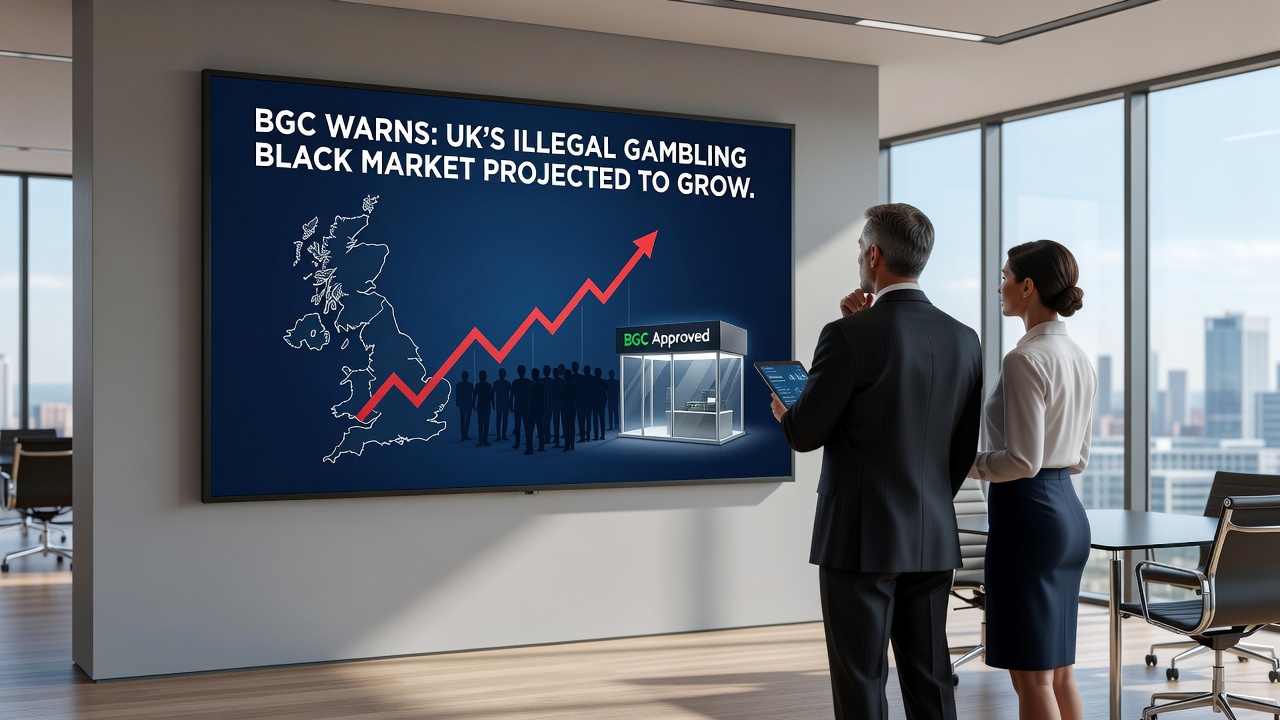
During the consultation window, interested parties can submit views through the dedicated government portal at Consultation on banning unlicensed gambling sponsorship, where detailed questions address enforcement practicalities, transition arrangements for current deals, and the precise criteria that would classify an operator as unlicensed. Responses will help refine how regulators distinguish between fully licensed entities and those operating outside UK jurisdiction while still targeting British audiences through sports visibility.
Objectives Behind the Consultation
Protecting vulnerable people forms a central pillar of the proposals, with the government citing evidence that exposure to unlicensed gambling promotions can bypass existing safeguards such as age verification and spending limits that licensed operators must enforce. Reducing money laundering risks represents another stated goal, since offshore operators may not adhere to the same anti-money laundering protocols required of UK-licensed firms, and sponsorship deals can serve as a high-profile entry point that normalises engagement with unregulated platforms.
The consultation also examines how these changes would interact with broader sports sponsorship landscapes, particularly in football where gambling branding has featured prominently on kits and stadiums for several seasons, and it explores whether exemptions or phased transitions might apply to certain categories of partnerships while still achieving the core objective of excluding unlicensed operators.
Conclusion
The eight-week consultation period marks a focused effort by UK authorities to tighten controls around sports sponsorship by gambling entities that operate without licences, and the process will determine final details on implementation dates, enforcement responsibilities, and support for sports organisations navigating the transition. Stakeholders across football, other sports, and the gambling sector now have the opportunity to provide input before regulations take shape ahead of the 2027/28 season.