Seamless Loyalty Mechanisms Integrating Mobile Slots and Interactive Dealer Games
Frankie Russell · Aug 18, 2026
Seamless Loyalty Mechanisms Integrating Mobile Slots and Interactive Dealer Games
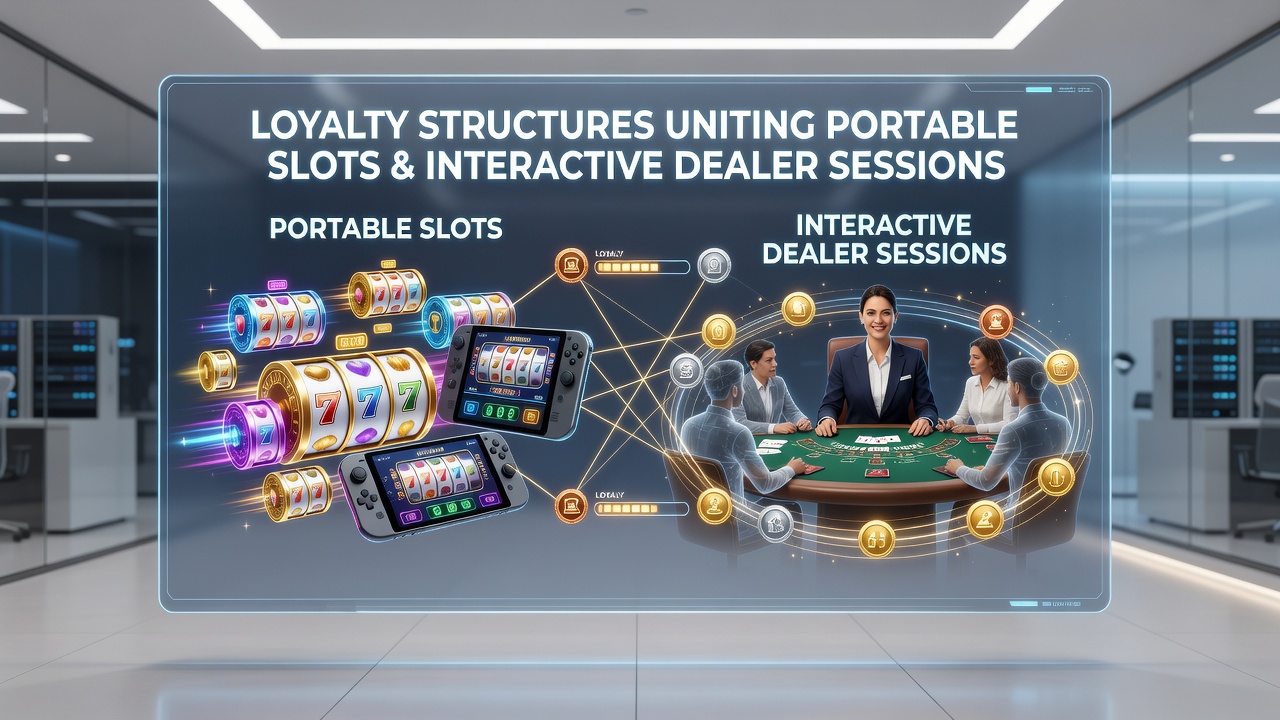
Operators have developed loyalty mechanisms that link portable slot play directly with interactive dealer sessions, creating unified reward pathways across device types and game formats. These systems track player activity through integrated platforms where points earned on mobile reels contribute to status levels that unlock benefits at live tables. Data from industry reports indicate that such cross-format structures emerged as standard practice by mid-2025, allowing seamless progression without separate accounts for each category.
Core Components of Unified Loyalty Tracking
Points accumulation follows consistent formulas whether users spin on handheld devices or participate in real-time dealer rounds, with multipliers applied based on game type and wager size. Mobile slot sessions often generate base points at a rate of one per unit wagered, while interactive dealer games apply the same base plus time-based bonuses during extended table presence. Observers note that this parity encourages players to shift between formats without losing accumulated value, and software providers embed these calculations into single back-end systems that update in real time.
Status tiers typically range from entry-level access through multiple graduated levels, each tied to specific thresholds reached through combined activity. Those who reach higher tiers gain advantages such as priority seating in dealer sessions alongside enhanced free spin allocations for mobile use. Research from the American Gaming Association shows that platforms employing unified tiers report higher retention rates across both mobile and live segments compared with siloed programs.
Technical Integration Methods
Backend databases synchronize player profiles across mobile applications and live streaming environments so that loyalty balances reflect all activity within minutes. API connections between slot engines and dealer interface software transmit wager data and session duration automatically, eliminating manual transfers. In August 2026 several major platforms plan to roll out enhanced synchronization protocols that incorporate biometric login options, further reducing friction during format switches.
Players receive notifications through the same app or browser window when new tier benefits become available, whether those perks apply to upcoming mobile sessions or scheduled dealer tables. Visual dashboards display progress bars that combine data from both environments, giving a single view of remaining requirements for the next level. This approach replaces earlier fragmented systems that required separate logins and point ledgers for slots versus tables.
Player Journey Examples Across Formats
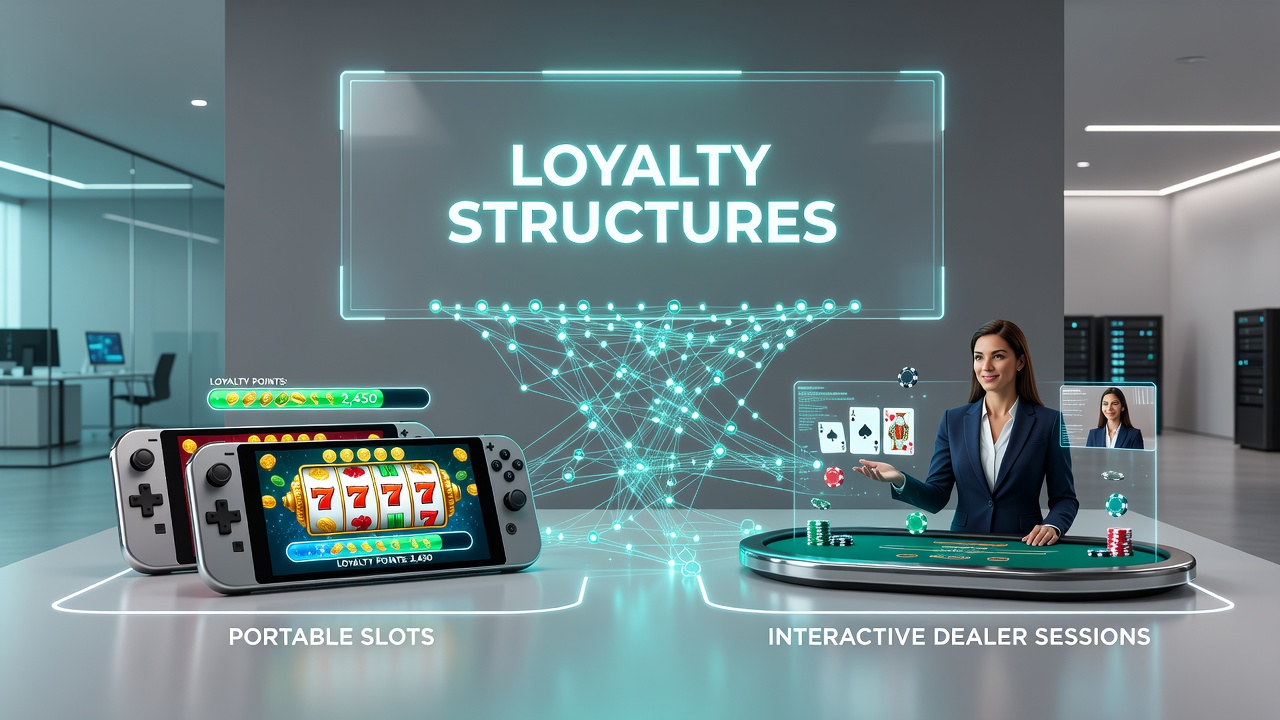
One documented case involved a player who accumulated the majority of points through short mobile sessions during commutes, then applied the resulting tier status to secure reserved spots at interactive blackjack tables on weekends. The transition occurred without additional qualification steps because the unified system recognized the combined volume. Similar patterns appear in aggregated platform data where mobile-heavy users frequently convert status into live dealer participation once they reach mid-tier levels.
Another pathway sees table-focused participants using downtime between dealer rounds to complete quick mobile slot tasks that maintain or advance their overall standing. These micro-sessions contribute directly to the same loyalty meter, preventing loss of momentum during natural breaks in live play. Industry analyses from the Canadian Gaming Association highlight that such flexibility correlates with extended overall engagement periods across device types.
Regulatory Context and Reporting Standards
Authorities in multiple jurisdictions require operators to maintain transparent records of how loyalty points transfer between game categories, ensuring that promotional structures comply with fairness guidelines. Reports submitted to bodies such as the Nevada Gaming Control Board include detailed breakdowns of point issuance by format, allowing oversight of whether cross-platform mechanics introduce unintended advantages. These filings also cover player communication methods so that individuals understand exactly how activity in one area affects benefits in another.
Operators must segment data by region because rules governing reward structures differ between markets, yet the underlying technical architecture remains consistent to support international player bases. In preparation for updates expected in August 2026, several firms have begun auditing their loyalty databases to confirm that mobile-to-live transfers meet emerging transparency benchmarks without requiring separate compliance modules.
Conclusion
Unified loyalty mechanisms continue to evolve as platforms refine the connections between portable slot environments and interactive dealer sessions. The systems deliver consistent tracking, tier progression, and benefit application across formats while meeting varied regulatory expectations. Future adjustments scheduled around August 2026 focus on further synchronization improvements and expanded reporting capabilities that maintain the integrity of these integrated reward structures.