Payment Pulses Powering Casino Dynamics: Spins, Live Sessions, and VIP Ascents
Drew Schröder · Aug 1, 2026
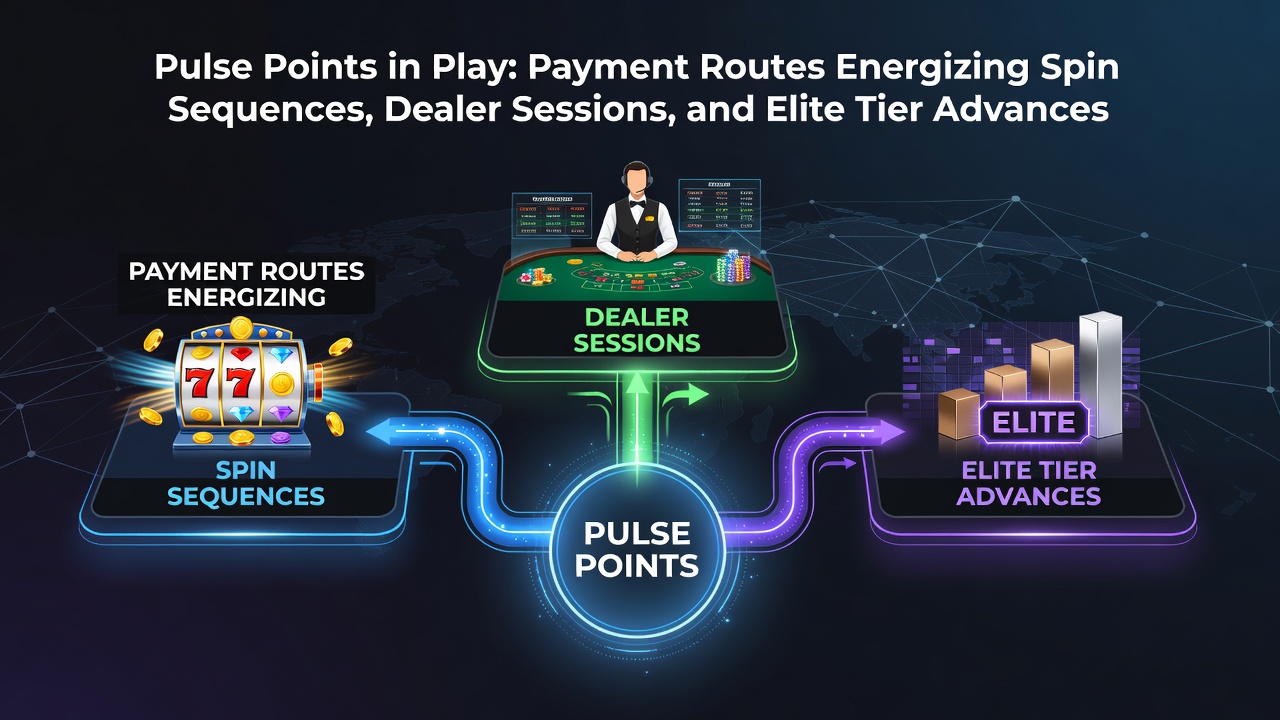
Payment Pulses Powering Casino Dynamics: Spins, Live Sessions, and VIP Ascents
Payment systems serve as central mechanisms that connect funding sources to gameplay across digital casino environments, and data from industry reports show these routes accelerate spin sequences in slots while supporting uninterrupted dealer sessions at live tables. Observers note that efficient transaction pathways reduce delays between deposits and game activation, allowing players to move from account funding to reel spins or card dealing without extended pauses. Research indicates transaction speeds vary by method, with certain digital wallets and instant bank transfers enabling near-immediate access to both standard slot play and high-stakes table environments.
Transaction Pathways Supporting Slot Spin Sequences
Slot sequences rely on rapid credit allocation after deposits, and studies from gaming associations reveal that e-wallet options often complete transfers in under a minute, which keeps reel cycles flowing steadily across multiple sessions. Bank transfers and card payments provide alternative routes that some platforms integrate with automated verification steps, and figures from transaction logs demonstrate how these methods sustain continuous spin activity when processing times stay consistent. What's interesting is how certain payment gateways link directly to bonus activation systems, so deposited funds trigger additional spin rounds without separate manual claims. Those who've examined platform data find that regions with established digital payment infrastructure report higher volumes of consecutive spin sequences per active account.
Key Payment Options and Their Spin Impact
- Digital wallets complete transfers quickly, sustaining longer sequences of automated spins on progressive machines.
- Card-based routes add security layers that some systems process in seconds, maintaining momentum through bonus rounds.
- Bank instant transfers connect to loyalty tracking tools, converting each funded spin into tracked progress toward rewards.
Turns out platform operators coordinate these routes with backend servers that update balances in real time, and this coordination supports the extended play patterns observed in data sets covering thousands of accounts. Experts have observed that when payment confirmations arrive without lag, spin frequency increases proportionally across both mobile and desktop interfaces.
Live Dealer Sessions Driven by Seamless Funding Routes
Dealer sessions depend on stable account balances that payment routes maintain during extended table play, and reports from European gaming bodies highlight how instant funding prevents interruptions at roulette wheels or blackjack tables. Observers note that players using verified e-wallet accounts often transition directly from deposit confirmation to seated dealer interactions, while slower card verifications may create brief pauses before cards are dealt. Research indicates that integration between payment processors and live streaming platforms allows balance updates to appear on-screen without players leaving the table view. Data shows multi-table participation rises when funding routes handle simultaneous deposits across separate dealer sessions.

August 2026 figures from international gaming research networks point to increased adoption of cryptocurrency payment channels in live dealer environments, and these channels provide additional speed for high-volume table participants. Those monitoring session lengths find that reliable transaction paths correlate with longer continuous dealer interactions, especially when platforms automate currency conversion at the point of deposit. The reality is that live dealer software logs record fewer dropped connections when funding arrives through established, high-speed gateways.
Elite Tier Advances Powered by Consistent Payment Activity
VIP progression systems track cumulative deposits and play volume, and payment routes that deliver recurring funding contribute directly to tier advancement metrics tracked by casino platforms. Analysts note that players who route funds through automated recurring transfers accumulate the required activity points faster, moving from standard membership to premium levels with documented perks such as personalized dealer access and accelerated bonus structures. Studies from North American gaming research centers show tier systems often award status points based on net deposit amounts processed through approved channels, which ties payment frequency to visible status upgrades. Observers note that elite tier dashboards display real-time progress bars updated after each successful transaction, giving participants immediate feedback on their advancement trajectory.
Platform data reveals that certain payment methods include built-in loyalty multipliers, and these features convert routine deposits into accelerated tier movement without additional player action. What's significant is how cross-platform tracking allows a single payment route to feed both slot sequences and live dealer activity into unified VIP calculations. Researchers discovered that accounts using diversified yet consistent funding sources reach higher tiers in shorter calendar periods compared to sporadic deposit patterns.
Integration Patterns Across Payment, Play, and Status Systems
Modern casino architectures link payment processors to both game engines and loyalty databases through shared APIs, and this integration creates continuous data flows from deposit to spin outcome to tier update. Industry organizations report that platforms adopting unified payment frameworks experience smoother transitions between slot play, dealer tables, and status reviews. Figures reveal reduced error rates in balance reconciliation when all three elements operate on synchronized transaction ledgers. Those who've studied system architectures find that August 2026 updates to several major platforms introduced enhanced encryption layers around these integrated routes, supporting higher transaction volumes without compromising verification speed.
Conclusion
Payment routes function as foundational infrastructure that energizes spin sequences, sustains dealer sessions, and drives elite tier advances through measurable transaction efficiency. Data from multiple regions continues to document how faster, more reliable funding options correlate with increased play continuity and status progression across casino platforms. Observers note ongoing refinements in processing technology that further align payment timing with the pace of both automated spins and live table interactions.