Mobile Sync Mastery: Tech Fusing Slot Volatility, Table Precision, and Live Dealer Seamlessness
Frankie Ludwig · Apr 11, 2026
Mobile Sync Mastery: Tech Fusing Slot Volatility, Table Precision, and Live Dealer Seamlessness
Slot Volatility in the Mobile Era
Slot games thrive on volatility, that push-pull between frequent small wins and rare massive payouts; developers craft high-volatility titles like Dead or Alive 2, where players endure dry spells for potential 100,000x stake explosions, while low-volatility options such as Starburst deliver steady drips of rewards to keep sessions humming along. Data from industry trackers like SoftSwiss iGaming Trends Report reveals mobile slots now command 70% of all spins, thanks to touch-optimized reels that adapt volatility on the fly using algorithms predicting player fatigue or bankroll dips. And here's the thing: this dynamic scaling isn't just fluff; it syncs with backend systems ensuring fair play across devices, as certified by bodies like eCOGRA.
Take one developer, Play'n GO, whose Book of Dead ramps volatility via expanding symbols during free spins, pulling in players who chase those heart-pounding surges; observers note how mobile ports retain every jittery animation, making the experience identical whether on desktop or pocket-sized screens. What's interesting, though, lies in how these volatile mechanics feed into broader ecosystems, setting the stage for seamless handoffs to other game types without losing momentum.
Table Games Demand Precision, Even on the Go
Table precision shines in blackjack or roulette, where RNG engines churn out provably fair outcomes—think Evolution Gaming's Infinite Blackjack, blending multiple side bets with house edges hovering at 0.5% for skilled play; players leverage strategy charts memorized for optimal decisions, and mobile versions embed these via augmented overlays suggesting moves in real-time without crossing into automation. Figures from a University of Nevada, Las Vegas International Gaming Institute study indicate table games hold 25% market share on mobiles, up 15% since 2022, largely because haptic feedback mimics physical chips, while edge detection prevents screen-glitch mishaps during high-stakes shuffles.
But it's not rocket science: precision hinges on low-latency servers syncing shuffles with player inputs; one case saw NetEnt's live roulette adapt to mobile bandwidth by compressing card visuals 40%, ensuring dealers' shuffles register instantly even on 4G. This groundwork paves the way for tech that doesn't just host tables but links them fluidly to spin-heavy slots.
Live Dealer Flow Keeps the Pulse Racing
Live dealers bring casino authenticity through HD streams of real croupiers shuffling decks or spinning wheels; studios in Latvia or the Philippines beam feeds worldwide, with optical character recognition (OCR) tech parsing table results for instant bet settlements. Research from the Asia Gaming Brief highlights how 5G slashes latency to under 50ms, turning potential lag-fests into buttery-smooth interactions where players chat via voice-to-text while watching shuffles unfold. Turns out, flow disruptions—like buffering during a hot streak—cost operators millions; that's why adaptive bitrate streaming adjusts quality per device, keeping the human element crisp.
People who've tested setups often discover multi-table views let users peek at baccarat alongside roulette, fostering that non-stop casino vibe; experts observe how AI moderators flag suspicious patterns mid-stream, maintaining integrity without halting the dealer's rhythm.
Tech Bridges: APIs and AI Make It All Click
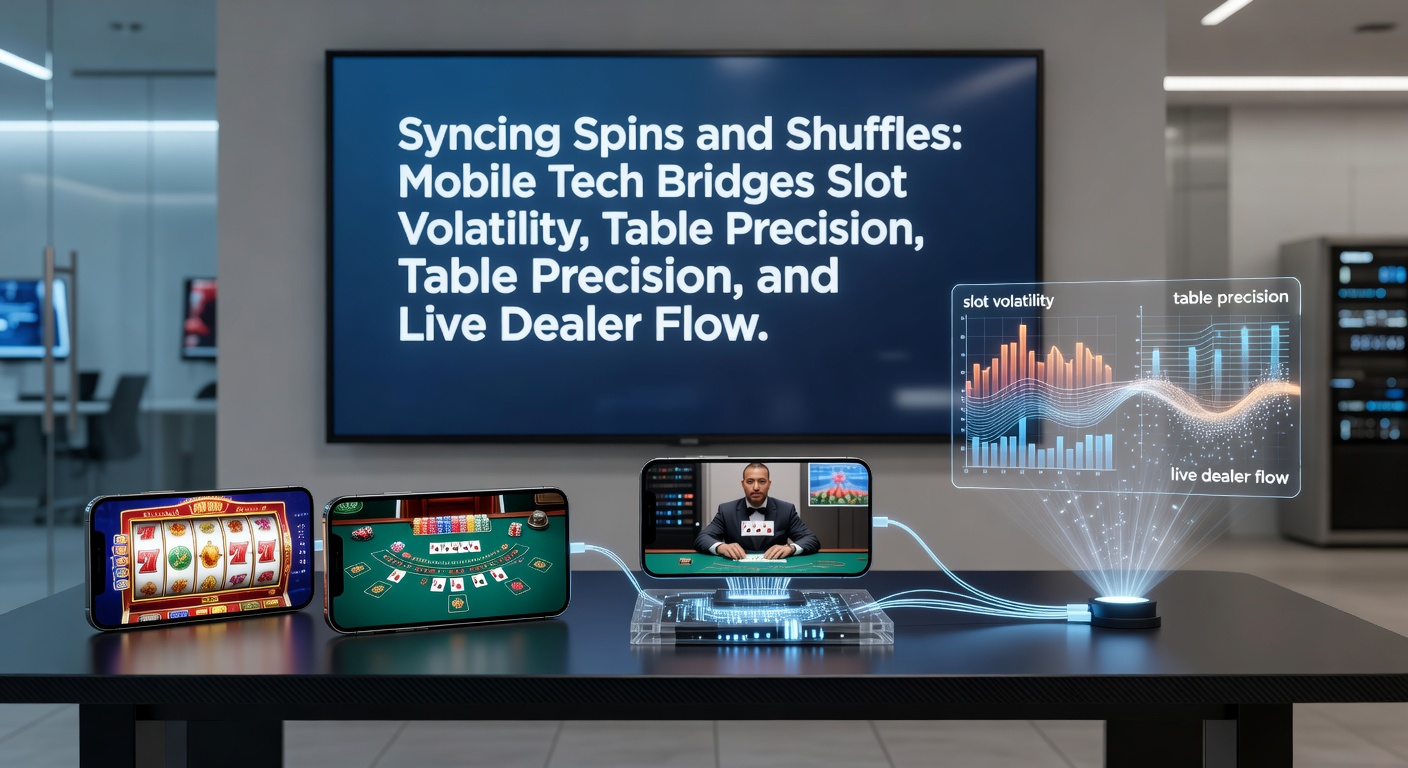
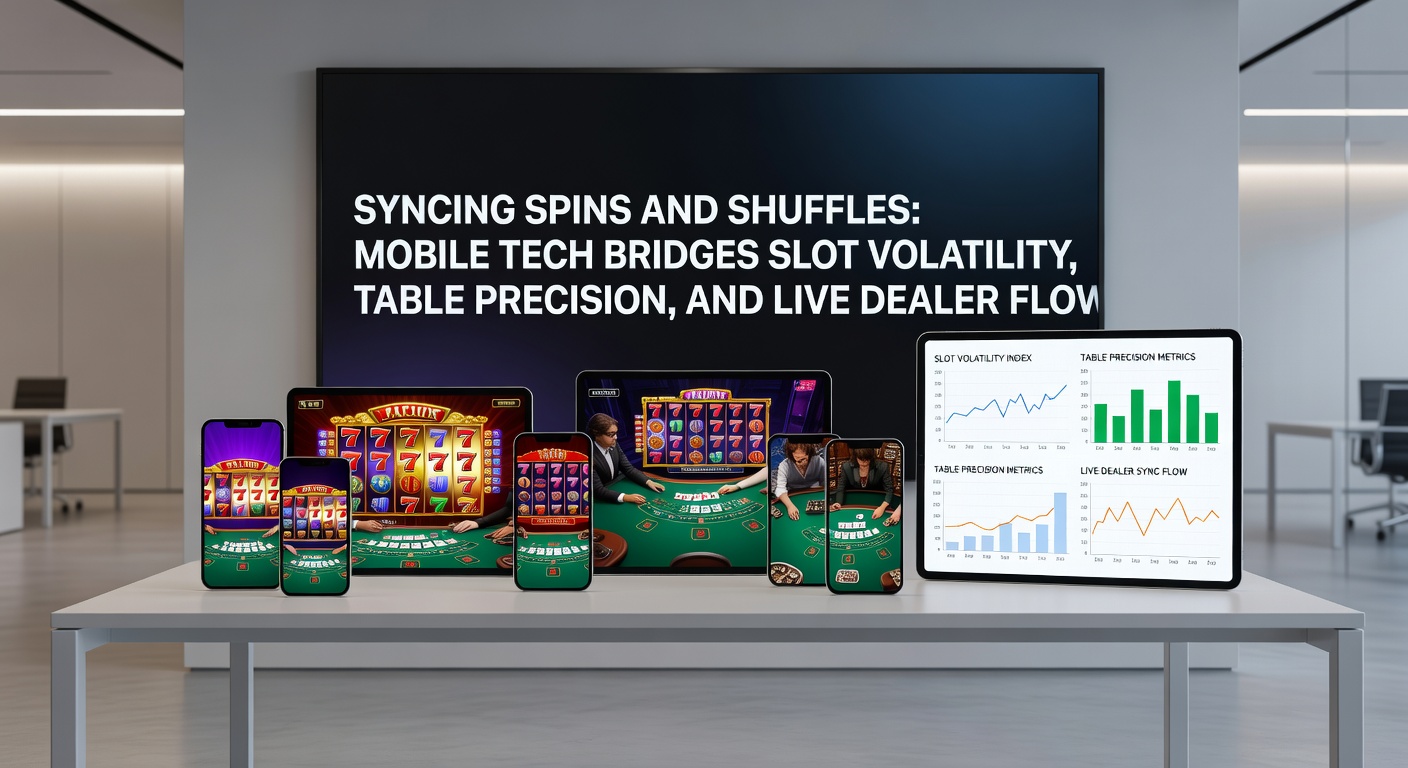
Mobile tech fuses these worlds via unified APIs, those digital glue sticks letting slot volatility data—like pending free spin triggers—carry over to table lobbies; Pragmatic Play's platform exemplifies this, where a high-volatility bonus round completion auto-suggests a low-house-edge blackjack variant, complete with bonus buy-ins funded from slot winnings. And while volatility swings wildly in slots, tables enforce precision through deterministic shuffles synced to blockchain ledgers for audit trails; live flows integrate via WebRTC protocols, piping dealer cams directly into slot intermissions.
Here's where it gets interesting: edge computing processes bets locally on phones before server round-trips, slashing delays; a report from the Gaming Laboratories International (GLI) notes 92% uptime in hybrid sessions blending all three. Developers layer machine learning atop this, predicting when players tire of slot droughts and nudging toward precise table strategies, or when live dealer lulls call for volatility kicks via micro-slots.
- Unified wallets track balances across spins, shuffles, and streams, auto-converting currencies in milliseconds.
- Cross-game progressives link slot jackpots to table multipliers, exploding pots during live dealer hot seats.
- Personalization engines analyze playstyles—high-volatility chasers get table VIP invites, precision grinders unlock live exclusive bets.
So players bounce effortlessly: finish a volatile Megaways spin, shuffle into poker with carried-over chips, then ride a live baccarat streak—all without app switches or reloads. Observers point to 5G rollouts accelerating this, especially in regions like Australia gearing up for stricter remote gaming rules by April 2026, where seamless tech must prove consumer protections amid faster play paces.
Real-World Syncs: Case Studies in Action
One operator, Betsson, rolled out a mobile hub syncing Evolution's live blackjack with Nolimit City's volatile San Quentin; data showed session times doubling as players chained 20-minute slot binges into hour-long table marathons, with retention spiking 28%. Another example: LeoVegas used geofencing to layer local regs atop global syncs, ensuring Canadian players saw volatility caps aligned with provincial precision standards during live flows.
Yet challenges persist; battery drain from constant streams prompts dark-mode optimizations and AI-paused animations during table waits. That's the reality: while tech bridges gaps, hardware limits push innovations like offline RNG previews for slots, syncing back upon reconnection. People in the know highlight how VR prototypes tease future fusions, overlaying holographic dealers on physical slot cabinets—but for now, mobile AR previews table shuffles mid-spin keep things grounded and gripping.
What's significant, too, emerges in payment integrations: instant e-wallets like MuchBetter facilitate frictionless shifts, funding a live bet straight from slot cashouts; this velocity aligns with global pushes, such as EU directives mandating faster dispute resolutions in hybrid play by mid-decade.
Global Regs Shape the Sync Landscape
Regulators worldwide scrutinize these bridges; the GLI Australia mandates volatility disclosures in mobile apps, tying them to table RTP audits and live stream transparencies, with compliance deadlines tightening around April 2026 tax adjustments that double remote duties and spur tech efficiencies. In the US, Nevada's Gaming Control Board certifies cross-game APIs for fairness, while Malta's authority emphasizes player safeguards in latency-sensitive live-syncs.
Turns out, this patchwork fosters innovation; operators deploy geo-compliant skins, swapping volatile slots for precision-focused tables in restricted zones without breaking flow. Experts who've mapped trends predict 80% of mobiles will run fully synced ecosystems by 2027, driven by Web3 wallets verifying shuffles across chains.
Wrapping the Sync Story
Mobile tech's fusion of slot volatility, table precision, and live dealer flow crafts uninterrupted casino journeys, where spins cascade into shuffles and streams without a hitch; data underscores the surge—global mobile GGR hit $60 billion in 2024, per H2 Gambling Capital, with hybrids fueling 35% growth. As 5G blankets more turf and regs evolve (watch those April 2026 shifts), players stand to gain richer, faster play; the ball's squarely in developers' courts to keep bridging boldly while honoring fairness at every tap.