Interwoven Mechanics: How Loyalty Structures Bridge Live Table Sessions and Portable Reel Sequences Through Promotional Layers
Sofia Hartmann · May 28, 2026
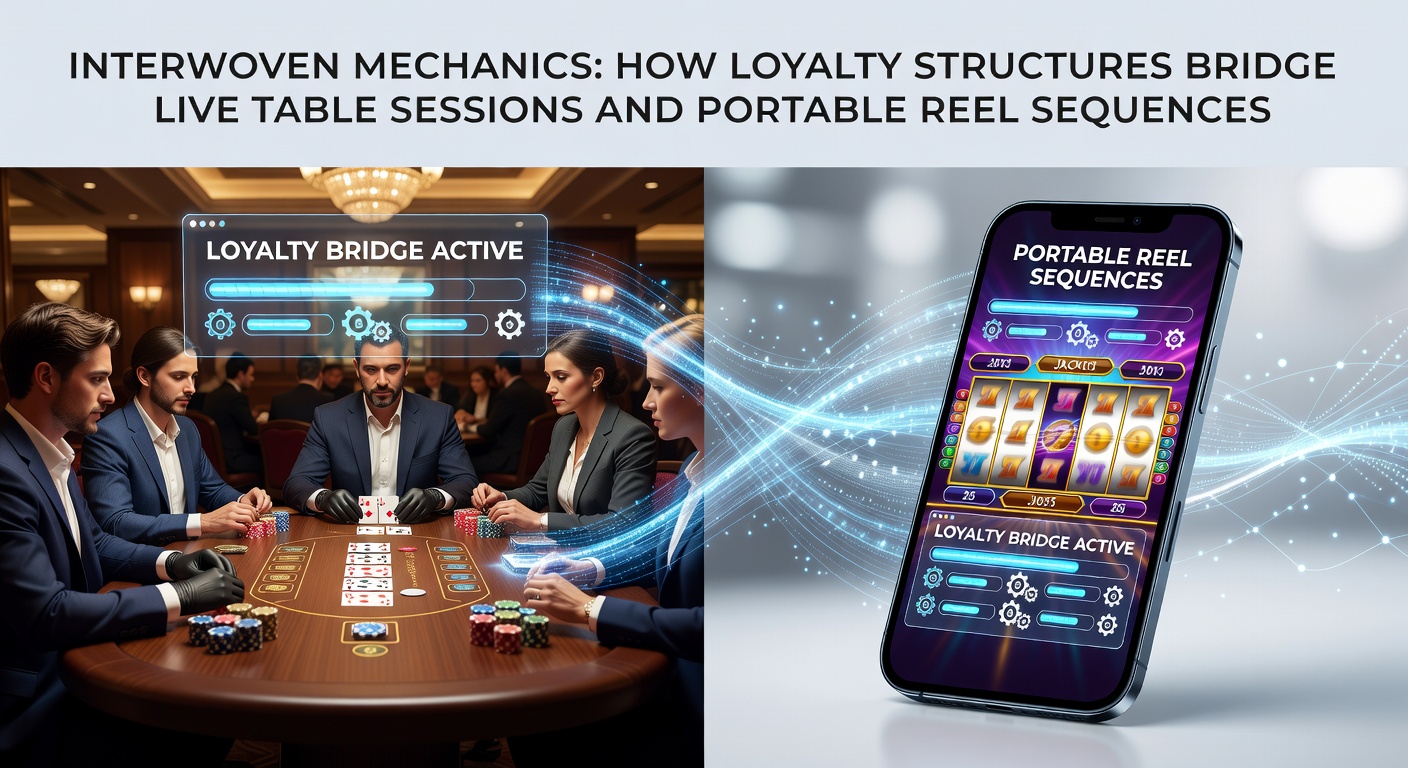
Interwoven Mechanics: How Loyalty Structures Bridge Live Table Sessions and Portable Reel Sequences Through Promotional Layers
Loyalty Frameworks in Modern Gaming Environments
Casino operators deploy integrated loyalty systems that track activity across live dealer tables and mobile slot sessions, creating unified player profiles that accumulate points from both formats and convert them into promotional rewards. These structures operate through centralized databases where every wager on a blackjack table or spin on a portable reel contributes to tier progression and bonus eligibility, and data from regulatory filings shows consistent implementation across multiple jurisdictions since early platform updates.
Points calculation follows standardized algorithms that assign values based on game type and stake level, whereas live table sessions often receive multipliers during peak hours to encourage real-time participation while mobile sequences contribute through volume-based tracking that runs continuously on handheld devices. Players advance through tiers by combining these inputs, unlocking layered promotions such as free spin bundles that transfer directly to table buy-ins or exclusive live event access funded by accumulated reel activity.
Promotional Layer Mechanics Across Formats
Promotional layers function as connective tissue by converting loyalty points into cross-format incentives that activate within specific time windows, allowing a user who completes a mobile slot session to receive credits applicable at live tables later the same day. Operators structure these layers with expiration rules and minimum activity thresholds, ensuring steady engagement between the two play types, and industry reports from the Nevada Gaming Control Board indicate that such linkages increased player retention metrics by measurable percentages in monitored properties during 2025.
Bonus cascades emerge when points from one format trigger rewards in the other, for instance a series of high-volatility reel wins generating table vouchers that players redeem in live sessions, whereas table-side comps frequently convert into mobile free spin packages delivered instantly through app notifications. This bidirectional flow relies on API integrations that sync account data in real time, preventing delays between sessions conducted on different platforms.
Technical Bridges Enabling Seamless Transitions
Backend systems employ encrypted data pipelines that link reel mechanics with table interfaces through shared loyalty ledgers, and these pipelines update balances across devices without requiring separate logins. Mobile applications pull live table availability and promotional overlays directly from the same database that records physical or streamed table results, creating continuity that lets players shift formats mid-session while retaining all earned benefits.
Security protocols maintain consistency by verifying each transfer against predefined rules, blocking unauthorized redemptions while permitting legitimate point exchanges that bridge portable sequences and live environments. Observers note that these technical connections reduce friction for users who alternate between handheld play during travel and stationary table sessions at home or in venues.
Regional Implementation Patterns Observed in 2026
As of May 2026, several markets report expanded adoption of these loyalty bridges following software upgrades that standardized point portability between live and mobile offerings. Canadian provincial regulators, including those overseeing Ontario operations, documented similar integrations where promotional layers now support cross-format jackpots funded partly through combined play data from reels and tables. European operators follow comparable models under directives from national authorities, with points from portable sessions frequently feeding into live tournament entries scheduled weeks in advance.
Research institutions such as the University of Nevada, Las Vegas International Gaming Institute have published analyses showing how these structures influence session length and format switching rates, with data sets covering thousands of accounts revealing that players who engage both live tables and mobile reels through unified loyalty programs demonstrate higher overall activity levels than single-format participants. The findings rely on anonymized transaction records rather than individual tracking, providing aggregate insights into promotional effectiveness.
Case Examples of Layered Reward Delivery
One documented pattern involves weekend mobile slot campaigns that award points convertible into live dealer seat reservations, complete with buy-in coverage drawn from the same loyalty pool. Another occurs when table-side high-roller recognition triggers immediate mobile bonus codes that activate upon the player opening their device app, maintaining momentum across environments without manual intervention from support staff.
These examples illustrate how operators sequence promotions to create continuous engagement loops, where activity in one area directly powers opportunities in the other through automated rule sets rather than manual approvals. Industry associations like the European Gaming and Betting Association track such developments through member surveys that highlight consistent growth in cross-format participation following loyalty system enhancements.
Conclusion
Loyalty structures continue to evolve as central connectors between live table sessions and portable reel sequences by embedding promotional layers that transfer value seamlessly across both formats. Technical synchronization, regional regulatory adaptations observed through May 2026, and documented reward delivery patterns demonstrate how these systems maintain unified player progression while respecting format-specific mechanics. Data from multiple oversight bodies and academic sources supports the operational reality of these interwoven approaches in current gaming landscapes.