Digital Currency Conduits: Mapping Instant Deposits from Reel Machines to Interactive Tables and Reward Escalators
Frankie Ludwig · Jun 6, 2026
Digital Currency Conduits: Mapping Instant Deposits from Reel Machines to Interactive Tables and Reward Escalators
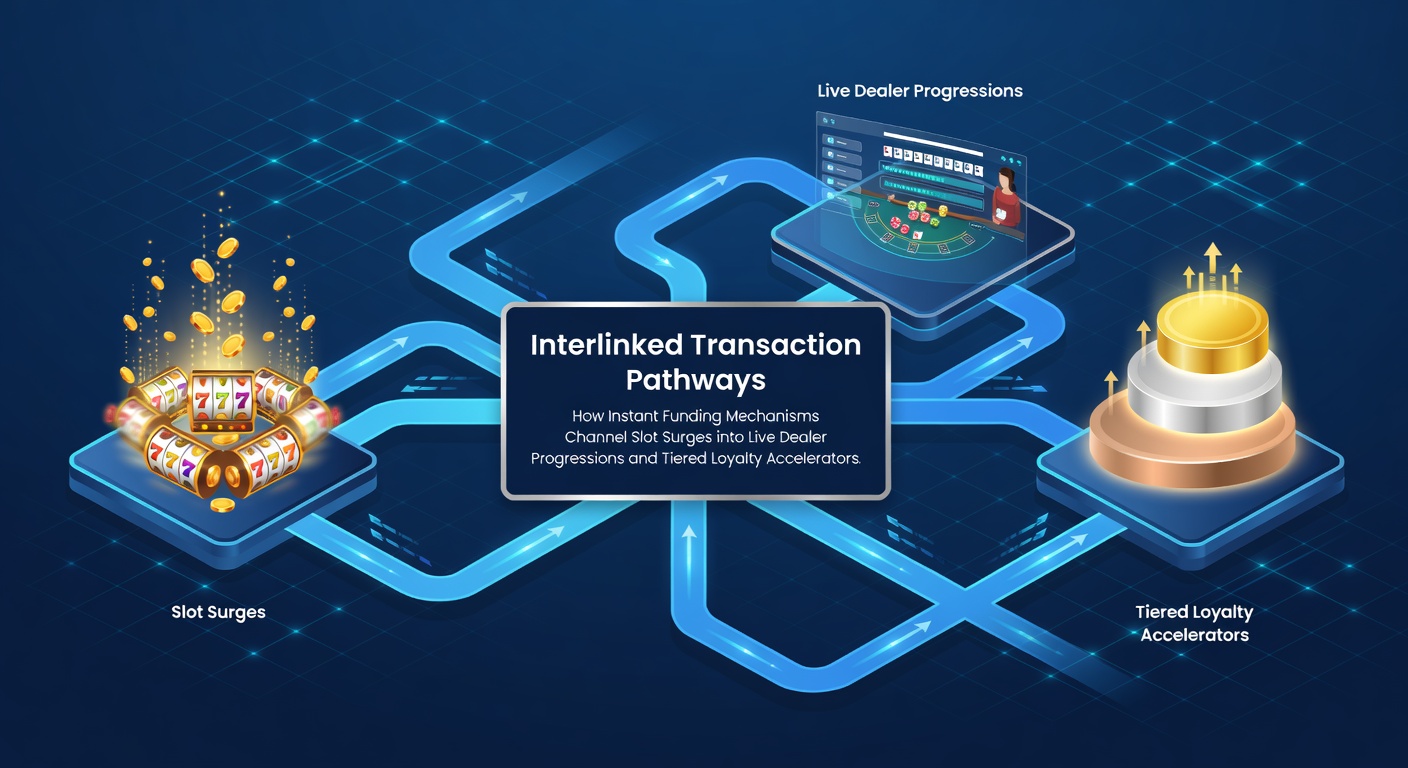
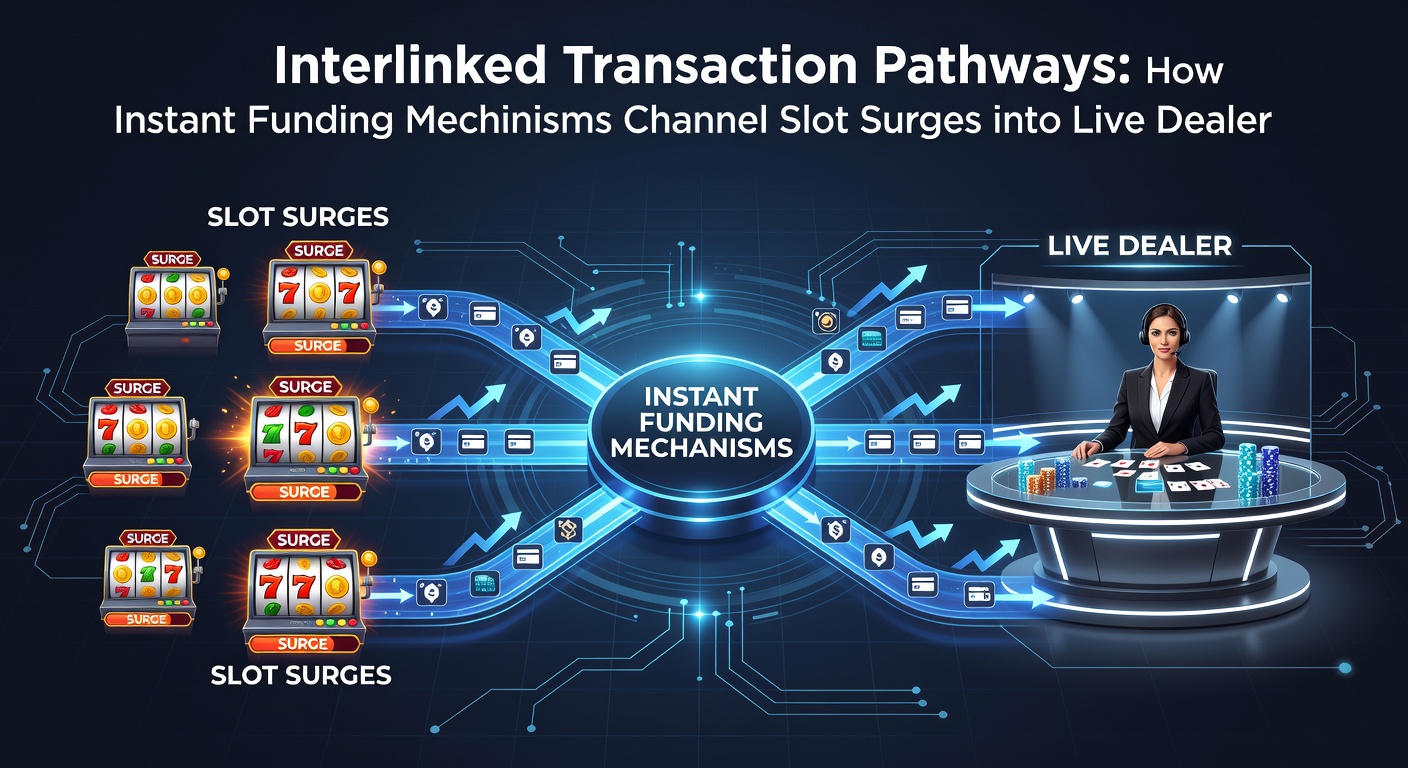
Transaction systems in modern gaming environments connect slot activity directly to live dealer sessions through automated funding channels that process deposits in seconds rather than minutes; these pathways rely on integrated payment processors and real-time verification protocols that allow player balances to move seamlessly across game categories without manual intervention or delays. Data from industry reports indicate that such mechanisms handle millions of micro-transactions daily across global platforms, with average processing times dropping below three seconds in optimized networks according to payment technology analyses.
Slot surges occur when players deposit funds and engage with high-volume reel games, generating rapid balance fluctuations that instant funding tools then redirect toward live dealer progressions; these progressions include table games where real-time video streams and dealer interactions require continuous balance access. Observers note that the same deposit infrastructure supporting slot spins also powers entry into blackjack, roulette, and baccarat rooms, creating unified account ledgers that update across interfaces simultaneously.
Core Mechanics of Instant Funding Channels
Instant funding operates through layered APIs that link banking partners, digital wallets, and gaming servers, enabling deposits to appear in player accounts before the transaction fully settles with the financial institution; this pre-authorization approach reduces friction while maintaining security checks that scan for compliance markers in under two seconds. Researchers have documented how these systems prioritize low-latency routes that bypass traditional batch processing, allowing slot-generated activity to feed directly into live table participation without separate logins or balance transfers.
Tiered loyalty accelerators build on these same pathways by tracking cumulative play across slots and dealer tables, then applying automated point multipliers once certain thresholds trigger; the accelerators adjust reward rates in real time based on deposit velocity and game type participation. Figures from gaming analytics firms reveal that players who utilize instant funding options reach higher loyalty tiers 40 percent faster on average compared to those relying on standard settlement methods.
Integration with Live Dealer Environments
Live dealer progressions depend on synchronized data streams that pull balance information from the same central ledger used for slot machines, ensuring that winnings from reels convert instantly into table buy-ins; this integration eliminates the need for players to navigate separate funding menus when switching formats. Technical specifications show that the underlying architecture employs websocket connections and event-driven updates that push balance changes to both slot interfaces and dealer cameras within milliseconds.
One documented case involves platforms where slot session data feeds into live game lobbies, automatically populating recommended tables based on recent deposit patterns and play history; these recommendations appear alongside loyalty tier indicators that update after each completed hand or spin sequence. External analyses from the American Gaming Association highlight how such linked systems support regulatory reporting requirements by maintaining comprehensive audit trails across all game categories.
Payment gateways further enhance these connections by supporting multiple currencies and regional banking networks, which helps operators comply with varying international standards while keeping transaction speeds consistent; data indicates that adoption of unified gateways has increased cross-format play by measurable margins in markets where instant options are widely available.
Regulatory Context and June 2026 Developments
By June 2026 several jurisdictions plan to implement updated technical standards for transaction monitoring that directly affect how instant funding pathways operate across slot and live dealer modules; these standards emphasize enhanced encryption and faster anomaly detection without extending settlement times. Platforms that already maintain interlinked systems stand positioned to adapt through incremental software updates rather than full infrastructure overhauls.
Industry organizations such as the International Association of Gaming Regulators have published guidelines that encourage operators to document every balance movement between game types, creating clearer records for both internal audits and external reviews. Studies from academic sources including the University of Nevada Gaming Research Center continue to examine how these documented pathways influence player behavior patterns over extended periods.
Technical Infrastructure Supporting Tiered Rewards
Tiered loyalty programs accelerate through algorithms that calculate points from combined slot and table activity, then apply bonuses or status upgrades once pathways register qualifying deposits and wagers; the algorithms run on backend servers that receive constant input from both slot engines and live streaming platforms. This continuous data exchange ensures that reward adjustments occur without player-initiated actions, maintaining engagement across different game formats.
Observers note that the architecture often incorporates fallback mechanisms that reroute transactions during peak loads, preserving the speed of slot-to-table shifts even when network traffic spikes. Research indicates these redundancies contribute to higher retention rates by minimizing interruptions that could otherwise break teh flow from reel play into dealer sessions.
Conclusion
Interlinked transaction pathways form the backbone of contemporary gaming operations by enabling instant funding to move activity seamlessly from slots into live dealer environments while simultaneously advancing loyalty tier progressions; the systems rely on coordinated APIs, real-time ledgers, and regulatory-compliant monitoring that together create efficient, traceable flows. As technical standards evolve through 2026, these mechanisms continue to support expanded functionality across global platforms without compromising speed or security requirements.