Crossed Circuits: How Secure Transfers Link Reel Mechanics, Real-Time Tables, and Tiered Rewards Across Portable Platforms
Frankie Russell · May 16, 2026
Crossed Circuits: How Secure Transfers Link Reel Mechanics, Real-Time Tables, and Tiered Rewards Across Portable Platforms
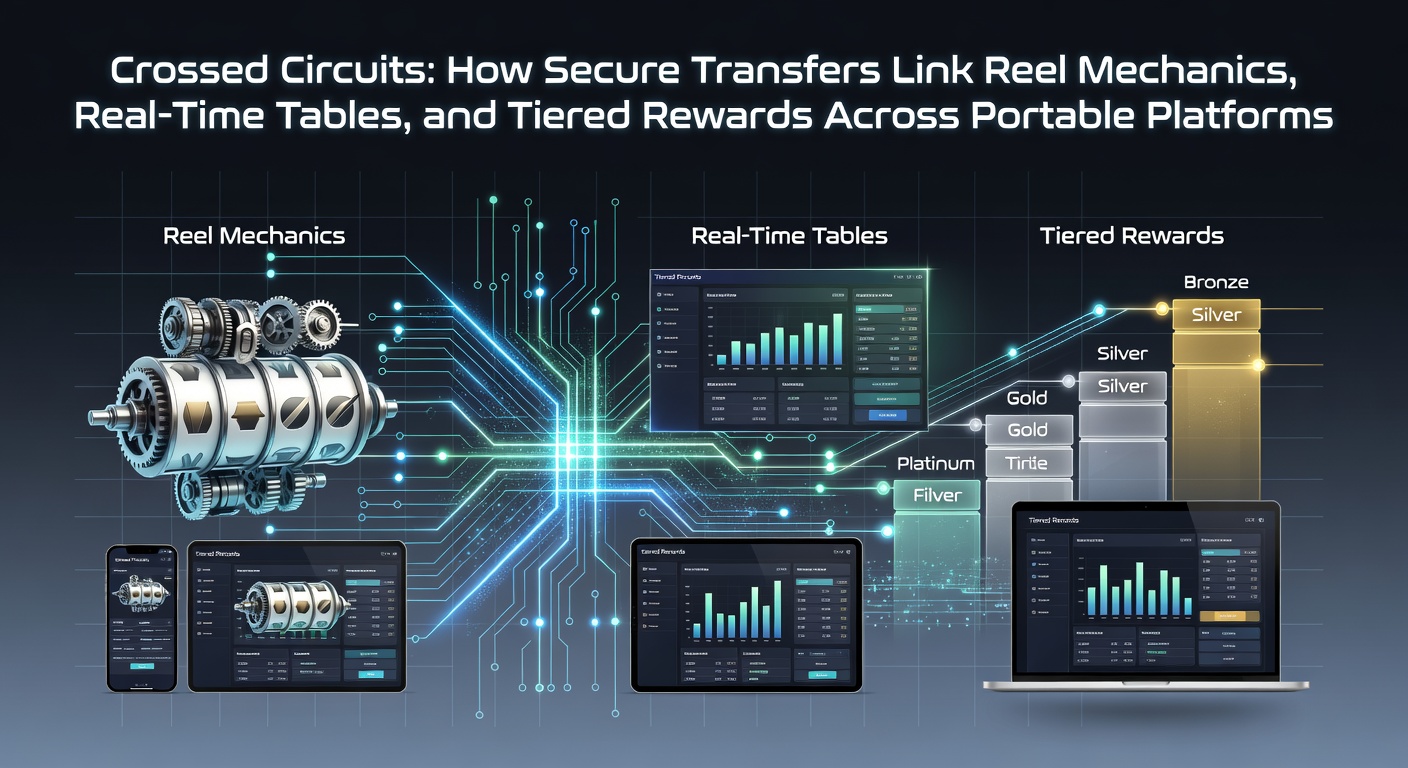
Secure transfer systems form the backbone of modern portable gaming environments, routing funds between spinning reels, live dealer streams, and escalating reward structures without interrupting play sessions. These circuits rely on encrypted gateways that authenticate each movement in milliseconds, allowing balances to shift from a slot outcome directly into a table buy-in or a tier advancement marker. Data from platform operators shows transaction volumes crossing these boundaries have risen steadily as mobile devices handle larger shares of total playtime.
Reel Mechanics Meet Instant Funding
Reel-based games generate frequent small wins and occasional larger payouts that feed into a shared wallet architecture. When a player triggers a bonus round on a handheld device, the resulting credit moves through a secure API layer straight to the main balance display, ready for immediate use elsewhere. Observers note that protocols such as those outlined in reports from the New Jersey Division of Gaming Enforcement require real-time reconciliation to prevent desyncs between game servers and accounting ledgers. This linkage keeps reel volatility from stranding funds in isolated pockets.
Portable platforms add another dimension because players often switch networks mid-session. The transfer layer compensates by maintaining session tokens that survive brief disconnections, restoring the exact credit state once connectivity returns. Studies conducted by university research groups on mobile latency patterns confirm that sub-second reconnections now occur in over 98 percent of tested scenarios across major carriers.
Real-Time Tables and Continuous Balance Flow
Live dealer tables demand uninterrupted access to player funds because decisions unfold in seconds. Secure circuits handle this by pre-authorizing a reserve amount that sits in a temporary hold while the hand progresses. Once the round resolves, any unused portion releases automatically and becomes available for the next action or for conversion into reward progress. Figures released by the Malta Gaming Authority indicate average table session lengths have lengthened as these seamless top-ups reduce friction points that once forced players to exit and re-enter.
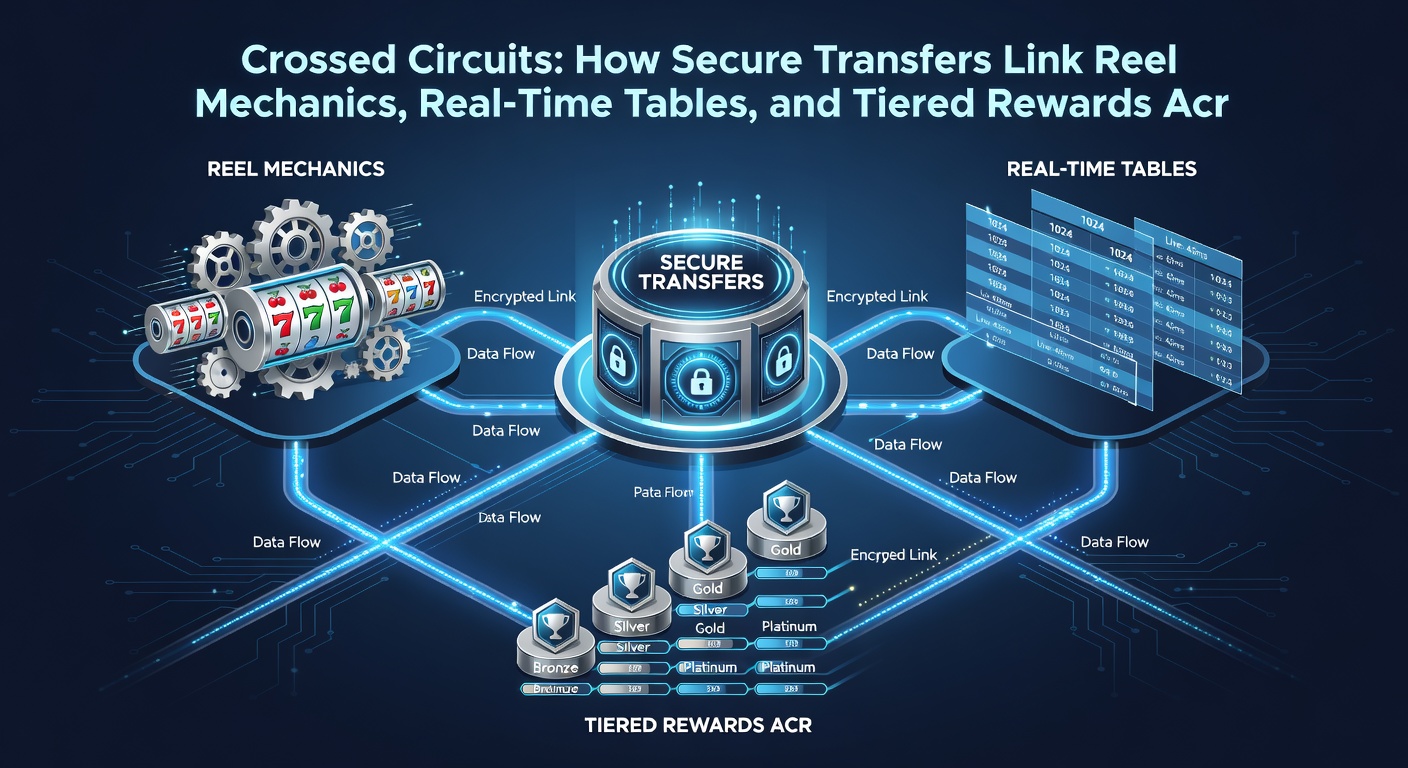
Technicians integrate table software with the same payment rails used by reel engines so that a single tap can move winnings from a roulette spin into a blackjack seat. The architecture logs every step on immutable ledgers, satisfying audit requirements while delivering the speed players expect on handheld screens. Those who monitor regulatory filings across multiple jurisdictions report fewer disputes related to delayed balance updates since these unified rails became standard.
Tiered Rewards Built on Transfer Data
Reward programs track activity across game types by pulling data directly from the transfer layer. Each completed slot spin, table hand, or deposit registers as a qualifying event that advances the player through bronze, silver, gold, and platinum brackets. Because the circuits capture both volume and velocity of play, operators can award tier points in real time rather than waiting for end-of-day reconciliation. Industry white papers from the European Gaming and Betting Association describe how this instantaneous feedback loop increases retention metrics by keeping visible progress bars updated during active sessions.
Players notice the effect most clearly when they move between reels and tables. A streak of slot wins can push someone into the next reward bracket mid-evening, unlocking table-specific perks such as reduced rake or exclusive seat reservations without requiring a separate login or app switch. The same token system that protects fund movement also encrypts the reward ledger, preventing tampering while allowing instant verification on any portable device.
Developments Scheduled for May 2026
Platform providers have announced protocol upgrades slated for rollout in May 2026 that will further tighten the connection between reel outcomes, live table decisions, and reward calculations. These updates introduce standardized message formats for cross-game events, enabling even faster settlement across different software providers. Regulatory bodies in several regions have already begun reviewing draft specifications to ensure the new format maintains existing security benchmarks while accommodating higher transaction throughput.
Testing environments show that the revised circuits reduce average transfer latency by an additional 30 percent compared with current implementations. This matters most on portable platforms where screen real estate limits how much information players can view at once. Clearer, quicker confirmations help maintain focus whether someone is chasing a reel multiplier or placing a live table wager.
Conclusion
Secure transfer systems now operate as the central nervous system for portable gaming, carrying value and progress data between reels, tables, and reward structures in continuous loops. The architecture supports the speed and reliability demanded by live environments while satisfying oversight requirements from diverse regulatory sources. As the May 2026 enhancements approach, the same principles of encrypted, real-time movement will extend to additional game formats, keeping balances and tier status synchronized across every device a player chooses to use.