Circuitry of Chance: Mapping Transaction Systems with Progressive Prize Pools Across Slot, Table, and Live Dealer Formats
Jordan Schulz · Aug 11, 2026
Circuitry of Chance: Mapping Transaction Systems with Progressive Prize Pools Across Slot, Table, and Live Dealer Formats
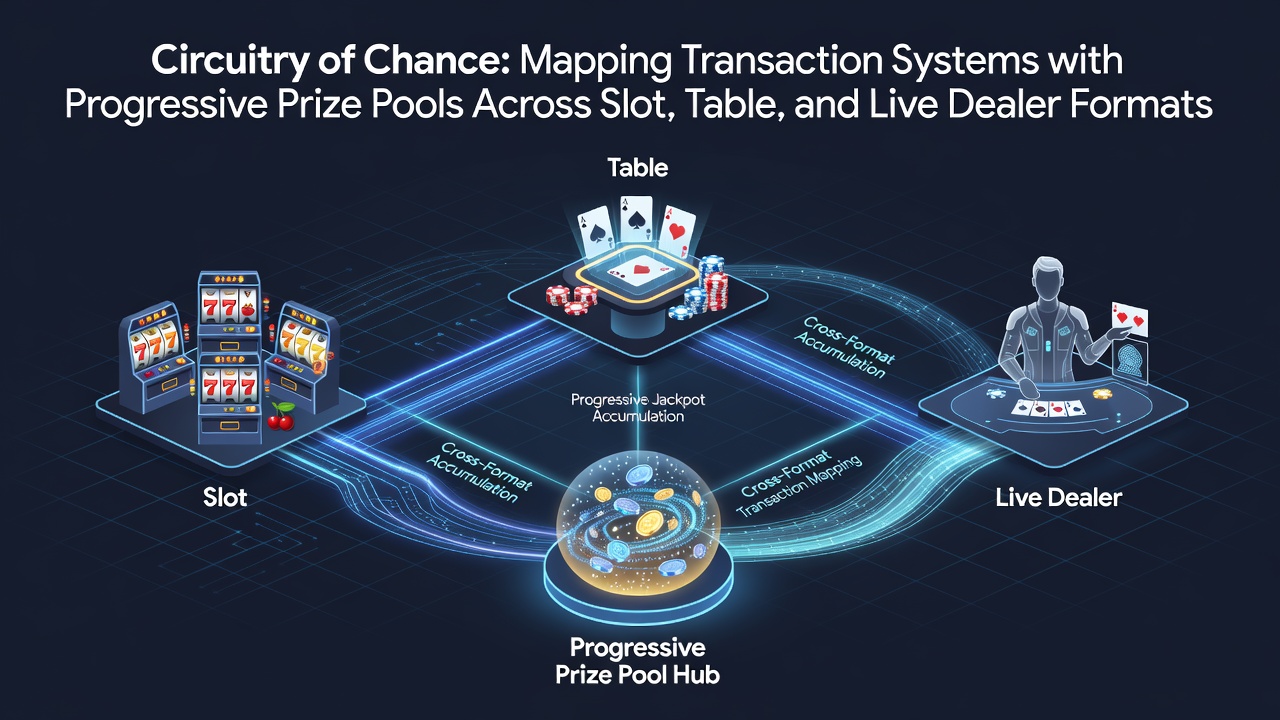
Transaction systems in gaming environments route player contributions through layered networks that feed progressive prize pools, and operators track these movements with precision across slot machines, table games, and live dealer setups. Data from industry reports indicate that contributions typically range from 0.5 to 3 percent of each qualifying bet, depending on the game type and jurisdiction, while central servers aggregate those increments into shared pools that can span multiple venues or platforms.
Slot Machine Networks and Pool Accumulation
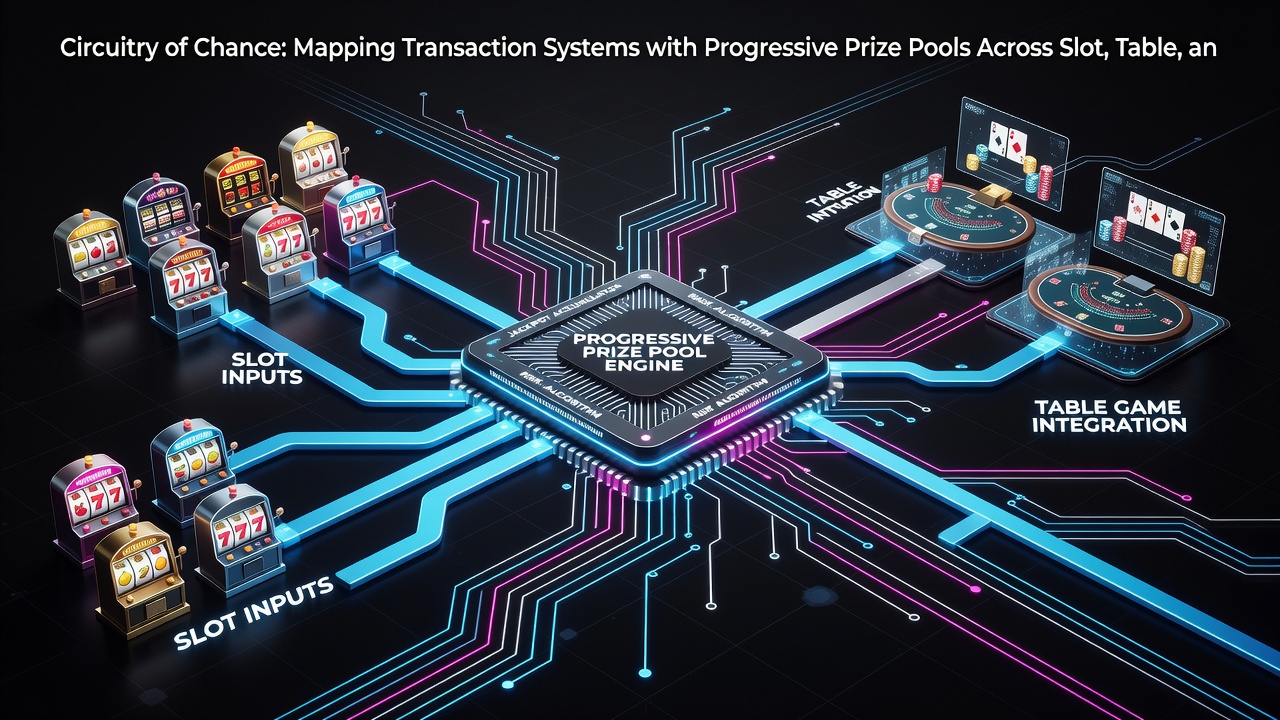
Slot systems operate on linked architectures where individual terminals send micro-transactions to a central jackpot controller, and researchers at gaming technology firms have documented how meters update in real time as bets register. A single progressive slot bank might connect dozens or hundreds of machines, with each spin allocating a fraction to the pool while the remainder follows standard payout algorithms. Observers note that seed amounts often reset at fixed levels after a win, and software logs capture every contribution timestamp to maintain audit trails that satisfy regulatory requirements in various regions.
Table Game Integrations and Shared Pools
Table games incorporate progressive elements through side bets or dedicated wager types, and transaction processors route those funds into pools that may link multiple tables within a casino or across properties. Games such as Caribbean Stud Poker or certain blackjack variants demonstrate this model, where data shows average contribution rates around 1 percent of the qualifying bet. Those who've examined the systems report that dealers enter results via electronic interfaces that trigger automatic deductions, and the resulting pool values display on overhead signs or digital screens that update continuously during play sessions.
Live Dealer Format Connections
Live dealer environments blend physical tables with digital overlays, and progressive pools attach through camera-linked interfaces that record side bets placed via player apps or terminals. Transaction mapping here involves additional steps because live streams run parallel to backend ledgers, yet the contribution logic remains consistent with other formats. Figures from North American operators reveal that live dealer progressives sometimes merge with online RNG pools, creating hybrid accumulators that draw from both physical and virtual action. Experts have observed that latency between the live table and the central server stays under two seconds in most certified setups, which keeps displayed jackpot figures accurate for participants watching remotely.
Cross-Format Pool Mapping Techniques
Mapping transaction systems requires unified ledgers that tag each contribution by source format, game identifier, and player session, and software platforms achieve this through standardized protocols such as those developed by gaming standards associations. Australian regulatory documents highlight how multi-format pools undergo daily reconciliation to verify that no contributions bypass the accumulator, while Canadian provincial authorities apply similar oversight to ensure pool integrity across slots, tables, and live streams. And in August 2026 several jurisdictions plan to introduce enhanced reporting intervals that shorten from monthly to weekly submissions for progressive data, which will tighten visibility into cross-format flows without altering the underlying contribution mechanics.
One documented case involved a networked progressive that spanned 400 slot terminals and 12 live dealer tables, where transaction logs showed consistent 1.2 percent deductions across all channels and produced a combined pool exceeding several million units before payout. Those logs also captured geographic distribution of bets, allowing analysts to identify peak contribution periods and adjust seeding parameters accordingly. What's interesting is how these systems isolate dormant pools during maintenance windows yet preserve accumulated values through encrypted backups that restore instantly once operations resume.
Regulatory and Technical Oversight Patterns
Government agencies in multiple regions require operators to maintain separate escrow accounts for progressive funds, and transaction audit trails must demonstrate that player contributions reach the intended pools without diversion. iGaming Ontario reports detail verification procedures that include random meter checks and third-party testing of controller software. Similar frameworks appear in European Union member states, where research institutions have published studies on pool volatility and payout frequency across mixed game libraries. The reality is that these oversight mechanisms rely on timestamped data streams that reconstruct every contribution path from the moment a bet registers until the pool either grows or pays out.
Conclusion
Progressive prize pools function as interconnected circuits that collect and distribute value across slot, table, and live dealer formats through standardized transaction pathways. Mapping these systems reveals consistent contribution logic supported by real-time ledgers and regulatory checks that continue to evolve with new reporting standards scheduled for August 2026. Observers note that the technical architecture remains stable while the volume of cross-format participation grows, and the same principles of fund allocation apply whether the action occurs on a physical table or through a remote live stream.